Common Misconceptions About Whiplash
During a motor vehicle collision, the head and neck can move very quickly through acceleration and deceleration forces. That sudden transfer of energy can stress the muscles, ligaments, joints, discs, and other tissues around the neck. For many patients, this results in a cervical sprain or strain, cervical disc tears, joint irritation, muscle guarding, headaches, or nerve symptoms. In some collisions, the same forces can also contribute to a concussion or other traumatic brain injury.
Read More
Class 4 Laser Therapy After a Car Accident
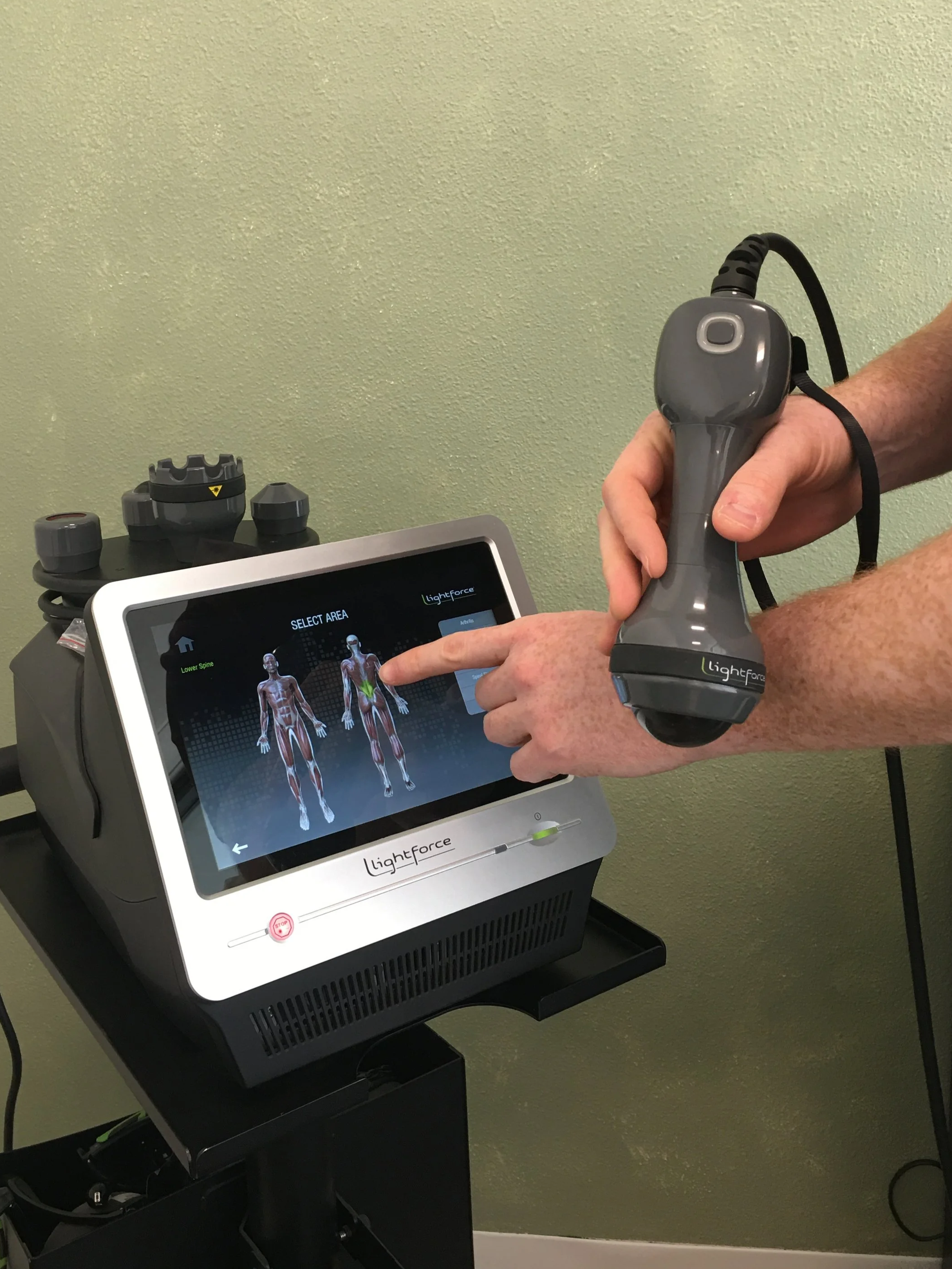
Class 4 Laser Therapy utilizes focused red and near-infrared (NIR) therapeutic light over a painful or injured area to reach deep into the muscles, ligaments, and joints to help stimulate regeneration of damaged tissues. In medical research, you may also see it called high intensity laser therapy. This can help to reduce pain and sensitivity after a collision, allowing your body to rest and heal.
Read More
Is Bad Posture Really The Cause Of My Back Pain?
If you have neck or back pain, there is a good chance someone has blamed your posture. Maybe you have been told that you slouch too much, your shoulders are rounded, your pelvis is tilted, or you need to sit perfectly upright at your desk. It can start to feel like there is one “CORRECT” way to hold your body, and if you are not doing it, you are slowly damaging your spine. The research does not really support that idea.
Read More
Does Back Pain Mean Something is Damaged?
When your back hurts, one of the first thoughts that may come to mind is: “Whoops, what did I injure?" Maybe you bent over and suddenly felt a sharp pain. Maybe you woke up stiff and can barely put your socks on. Or maybe your back has been bothering you for months, and a Google search now lists words like; disc degeneration, bulging disc or arthritis.
It is understandable to read those words and assume that something in your back is worn out or permanently damaged. Believe it or not, the good news is that back pain is usually more complicated than that.
Read More